

Camera Lens Numbers Explained: What 50mm, f/1.8 and Those Brand Codes Really Mean

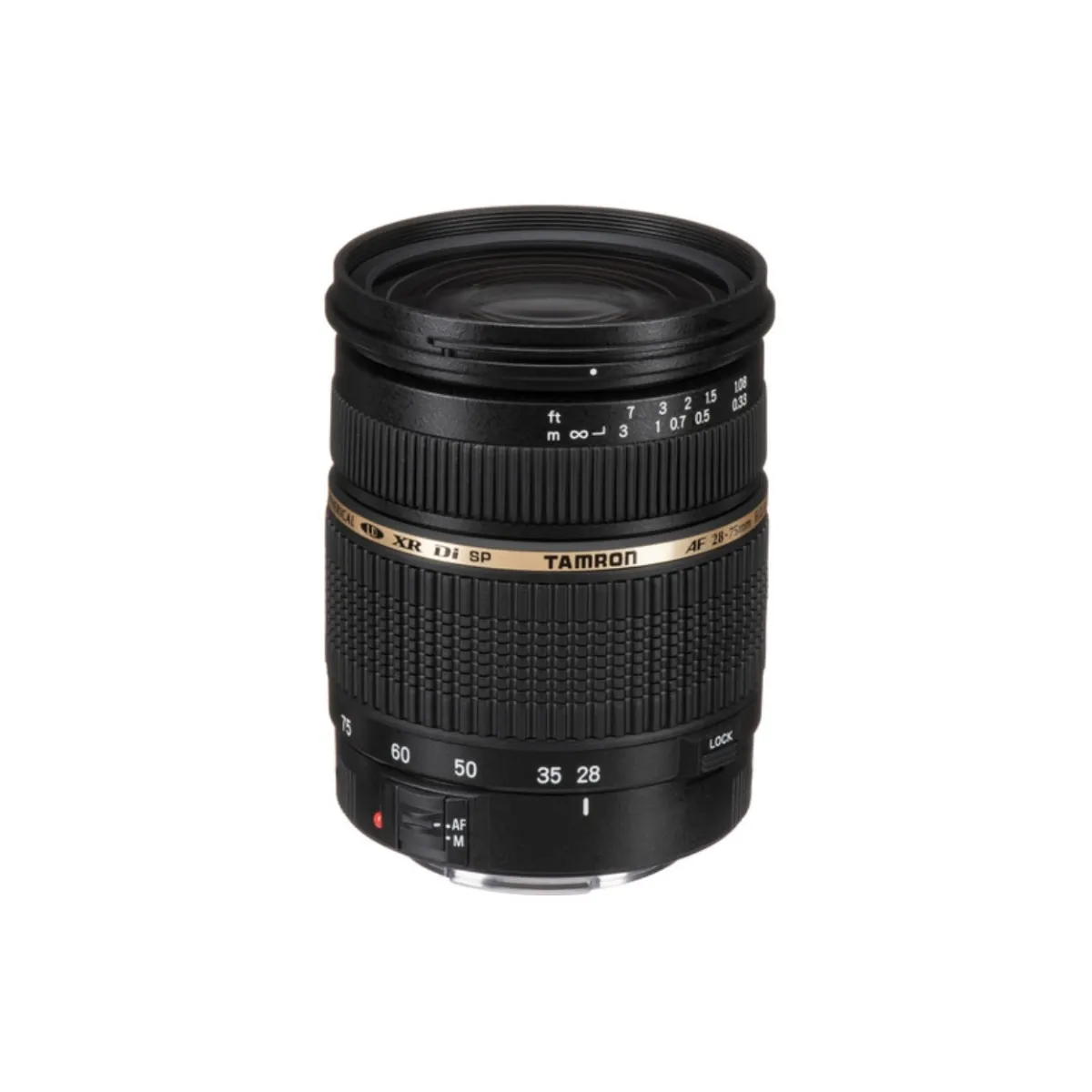
The numbers on a camera lens tell you two main things. The millimetre figure (such as 50mm) is the focal length, which controls how zoomed in the view looks. The f number (such as f/1.8) is the maximum aperture, which controls how much light enters. Smaller f numbers mean brighter lenses and blurrier backgrounds.
Why Lens Markings Confuse So Many Buyers
Walk past any camera shop in Anarkali or scroll through lens listings online, and you will see names like “Canon RF 24 to 105mm f/4L IS USM” or “Sony FE 85mm f/1.8.” To a beginner, that looks like a code.
It is a code, but a simple one. Once you can read it, you can compare lenses in seconds, spot overpriced listings, and avoid buying a lens that does not even fit your camera.
This guide breaks every part of a lens name down, with real examples and practical advice on what each number means for your photos.
What Does the mm Number on a Lens Mean?
The mm number is the focal length. It tells you how wide or how tight the view will be. Lower numbers show more of the scene. Higher numbers bring distant subjects closer.
Technically, focal length is the distance in millimetres between the lens’s optical centre and the camera sensor when focused at infinity. In practice, you only need to know how it changes your picture.
| Focal Length | Category | Typical Use |
|---|---|---|
| 10 to 24mm | Ultra wide | Architecture, interiors, Badshahi Mosque courtyards, landscapes |
| 24 to 35mm | Wide | Street, travel, vlogging, group shots |
| 50mm | Standard | Everyday, portraits on crop sensors, food |
| 85 to 135mm | Short telephoto | Portraits, bridal close ups, headshots |
| 150 to 600mm | Telephoto | Wildlife, sports, birds at Changa Manga |
What is the difference between a prime and a zoom lens?
A prime lens has one fixed focal length, while a zoom lens covers a range. A 50mm lens is a prime. An 18 to 55mm lens is a zoom.
- Primes are usually sharper, lighter and brighter for the price. You zoom with your feet.
- Zooms are more flexible. One lens can cover a whole wedding or a trip to Hunza without lens changes, which also means less dust on your sensor.
Neither is better overall. A wedding shooter in Lahore might carry a 24 to 70mm zoom for the baraat and an 85mm prime for portraits.
What Does the f Number on a Lens Mean?
The f number shows the lens’s widest (maximum) aperture. Aperture is the opening that lets light through. A smaller f number means a wider opening, more light and a shallower depth of field.
So an f/1.8 lens lets in far more light than an f/4 lens. That matters in dim places like indoor mehndi functions, restaurants and evening events.
The f number is a ratio: focal length divided by the diameter of the opening. That is why it is written as “f/” and why smaller numbers mean bigger openings.
Why do some lenses show two f numbers?
Two f numbers mean the lens has a variable aperture. A lens marked 18 to 55mm f/3.5 to 5.6 opens to f/3.5 at 18mm but only f/5.6 when zoomed to 55mm. As you zoom in, the lens gets darker.
A lens with a single f number across its zoom range, like a 24 to 70mm f/2.8, is called a constant aperture lens. These cost more but keep exposure steady while you zoom, which videographers love.
Quick comparison: what aperture numbers mean in real life
| Maximum Aperture | Light Gathering | Background Blur | Typical Price Level |
|---|---|---|---|
| f/1.2 to f/1.4 | Excellent | Very strong | High |
| f/1.8 to f/2 | Very good | Strong | Affordable to moderate |
| f/2.8 | Good | Moderate | Moderate to high (in zooms) |
| f/4 | Fair | Mild | Moderate |
| f/3.5 to 5.6 | Limited | Mild | Budget (kit lenses) |
Practical tip: If your kit lens struggles indoors, an affordable 50mm f/1.8 is often the single biggest upgrade a beginner can make. It is cheap, light and roughly two to three stops brighter than a kit lens at similar focal lengths.
What Is Crop Factor and Why Does It Change the mm Number?
Crop factor is how much smaller your camera’s sensor is compared to full frame (36 x 24mm). A smaller sensor captures a narrower slice of the image, so a lens looks more zoomed in than its mm number suggests.
| Sensor Type | Crop Factor | 50mm Lens Looks Like |
|---|---|---|
| Full frame | 1.0x | 50mm |
| APS C (Nikon, Sony, Fujifilm) | 1.5x | About 75mm |
| APS C (Canon) | 1.6x | About 80mm |
| Micro Four Thirds | 2.0x | About 100mm |
Example: A student shooting on a Canon EOS 200D with a 50mm lens gets a view similar to 80mm on full frame. That is why a “standard” 50mm works as a portrait lens on most entry level cameras.
The focal length printed on the lens never changes. Only the field of view you see changes, based on your sensor.
What Do the Letters on Camera Lenses Mean?
The letters describe the lens mount, sensor coverage, build quality, stabilization and autofocus motor. Each brand uses its own codes, which is where most confusion comes from.
Canon lens codes
- RF: Lenses for Canon’s mirrorless full frame and crop cameras (EOS R series)
- EF: Lenses for Canon DSLRs; usable on EOS R bodies with an adapter
- L: Canon’s professional “Luxury” line, recognised by the red ring
- IS: Image Stabilizer
- USM: Ultrasonic Motor, fast and fairly quiet autofocus
- STM: Stepping Motor, smooth and quiet, good for video
Nikon lens codes
- Z: Lenses for Nikon Z mirrorless cameras
- DX: Designed for crop (APS C) sensors
- FX: Full frame coverage
- VR: Vibration Reduction (stabilization)
- ED: Extra low Dispersion glass to reduce colour fringing
Sony lens codes
- FE: Full frame E mount lens
- E: APS C E mount lens (fits full frame bodies but crops the image)
- OSS: Optical SteadyShot (stabilization)
- G and GM: Sony’s premium lines, with G Master at the top
Fujifilm, Sigma and Tamron codes
- Fujifilm XF: Premium X series lenses with aperture rings; XC is the lighter budget line
- Fujifilm OIS / WR: Optical Image Stabilization / Weather Resistant
- Sigma DG / DC / DN: Full frame / crop sensor / designed for mirrorless
- Sigma Art, Contemporary, Sports: Product lines by purpose
- Tamron VC / VXD / Di III: Stabilization / fast linear autofocus motor / designed for mirrorless
Why this matters: A Sony E lens on a full frame Sony body forces a crop. A Nikon DX lens on a full frame body does the same. Always check mount and sensor coverage before you pay, especially when buying used lenses.
What Are the Other Numbers on a Lens?
Not every number is in the lens name. Look around the barrel and lens cap too.
What does the ⌀ symbol mean?
The ⌀ number is the filter thread diameter in millimetres. A lens marked ⌀58 needs 58mm filters. Check this before buying UV, polarizing or ND filters and lens caps.
What is minimum focus distance?
Minimum focus distance is the closest point at which the lens can focus, measured from the sensor plane, not the front of the lens. It is often printed as something like “0.45m / 1.48ft.” Shorter distances suit food, product and detail shots like bridal jewellery.
What does 1:1 or “Macro” mean?
A 1:1 ratio means true macro, where the subject is reproduced at life size on the sensor. Many lenses labelled “macro” only reach 1:2 or 1:4, so check the magnification figure if you shoot jewellery, insects or flowers.
What do II, III or Mark numbers mean?
Roman numerals show the lens version. A “II” is the second generation and usually brings better coatings, autofocus or stabilization. Used listings sometimes leave this out, so confirm the version because prices can differ a lot.
How to Read a Full Lens Name: Two Worked Examples
Example 1: Canon RF 24 to 105mm f/4L IS USM
- RF: Fits Canon EOS R mirrorless cameras
- 24 to 105mm: Zoom from wide to short telephoto
- f/4: Constant maximum aperture across the zoom
- L: Canon professional line
- IS: Image stabilization built in
- USM: Ultrasonic autofocus motor
Example 2: Nikon Z DX 18 to 140mm f/3.5 to 6.3 VR
- Z: Nikon mirrorless mount
- DX: Made for crop sensor bodies like the Z50
- 18 to 140mm: Versatile travel zoom range
- f/3.5 to 6.3: Variable aperture, darker when zoomed in
- VR: Vibration Reduction
Common Mistakes Buyers Make When Reading Lens Specs
- Ignoring the mount. A great deal on a lens that does not fit your camera is no deal at all.
- Treating zoom range as quality. An 18 to 300mm lens is convenient, but optics usually involve more compromise than a shorter zoom or prime.
- Forgetting crop factor. An APS C shooter buying a 24mm “wide” lens may find it is only moderately wide.
- Assuming all f/1.8 lenses are equal. Autofocus speed, sharpness wide open and build quality vary widely.
- Skipping the filter size. You may end up buying a filter or cap that does not fit.
- Not checking the version. “Mark II” and the original can differ significantly in performance and price.
Which Lens Numbers Suit Common Shooting Styles?
The table below is a starting point, not a rule. Your budget, camera body and style will shape the final choice.
| Shooting Style | Suggested Focal Length | Suggested Aperture |
|---|---|---|
| Weddings and events | 24 to 70mm plus 85mm | f/2.8 zoom, f/1.8 prime |
| Portraits | 50mm (crop) or 85mm (full frame) | f/1.8 or brighter |
| YouTube and vlogging | 10 to 24mm on crop | f/2.8 to f/4 |
| Travel to northern areas | 18 to 140mm or 24 to 105mm | f/4 or variable |
| Wildlife and birding | 150 to 600mm | f/5 to 6.3 is common |
| Food and product | 50mm or a 1:1 macro | f/2.8 |
Key Takeaways
- The mm number is focal length: it controls how wide or zoomed in your view is.
- The f number is maximum aperture: smaller numbers mean more light and blurrier backgrounds.
- Two f numbers mean a variable aperture that gets darker as you zoom.
- Crop factor (1.5x or 1.6x on most APS C cameras) makes lenses look more zoomed in.
- Letter codes reveal the mount, sensor coverage, stabilization and autofocus motor.
- The ⌀ number is your filter size; check it before buying filters or caps.
- Always confirm mount, coverage and version before buying, new or used.
Frequently Asked Questions
Is a lower f number always better?
Not always. A lower f number gives more light and stronger background blur, but those lenses cost more, weigh more and have a thinner focus zone, which makes focusing on group shots harder. For landscapes or architecture, you will usually shoot at f/8 anyway, so a very bright lens is less important there.
What does 18 to 55mm mean on a kit lens?
It means the lens zooms from 18mm (wide) to 55mm (mild telephoto). On a crop sensor camera, that equals roughly 27 to 88mm on full frame. It is a flexible starter lens that handles everyday shots, travel and casual portraits reasonably well, though it struggles in low light.
Is 50mm good for portraits?
Yes, especially on crop sensor cameras, where 50mm looks similar to 75 to 80mm on full frame. That is a flattering portrait length. On full frame, 50mm works well for half body and environmental portraits, while 85mm is often preferred for tighter headshots with stronger background separation.
Can I use a full frame lens on a crop sensor camera?
Usually yes, if the mount matches. A Sony FE lens works on a Sony APS C body, and a Canon RF lens works on a Canon crop sensor R body. The lens will simply look more zoomed in due to crop factor. Going the other way, crop lenses on full frame bodies often force a crop.
What does image stabilization in a lens actually do?
It shifts optical elements to counter small hand movements, letting you use slower shutter speeds without blur. It helps with handheld shots in low light and with telephoto lenses. It does not freeze a moving subject, so you still need a faster shutter speed for children, sports or dancing guests.
Why are some lenses with the same mm number so different in price?
Price differences come from maximum aperture, glass quality, special elements, autofocus motor, weather sealing and build. A 50mm f/1.2 and a 50mm f/1.8 share a focal length, but the f/1.2 gathers more light and is far more complex to make, so it costs several times more.
What do the numbers on a lens cap mean?
The number on a lens cap is its diameter in millimetres, such as 58mm or 67mm. It should match the filter thread size printed on your lens beside the ⌀ symbol. A mismatched cap will either fall off or not fit at all.
Should a beginner buy a prime or a zoom lens first?
Most beginners benefit from a kit zoom first to learn which focal lengths they use most. Once you notice you keep shooting around one length, add a bright prime at that length. For many people in Pakistan shooting family events indoors, a 50mm f/1.8 is a sensible first prime.
Read Your Next Lens Like a Pro
Lens names stop being confusing once you know what to look for. Focal length tells you the view, the f number tells you how much light comes in, and the letters tell you what fits your camera and what features are built in. With that knowledge, you can compare options honestly and spend your money where it actually improves your photos.
If you are still unsure which lens suits your camera and shooting style, FotoTrade has been helping photographers across Pakistan since 1990. Browse our new and used lenses online, or visit our shop on Chamberlain Road, Anarkali Bazaar, Lahore, and our team will happily walk you through the options before you decide.