

How to Make Your Camera Battery Last Longer: Settings, Charging Habits and Storage Tips That Actually Work

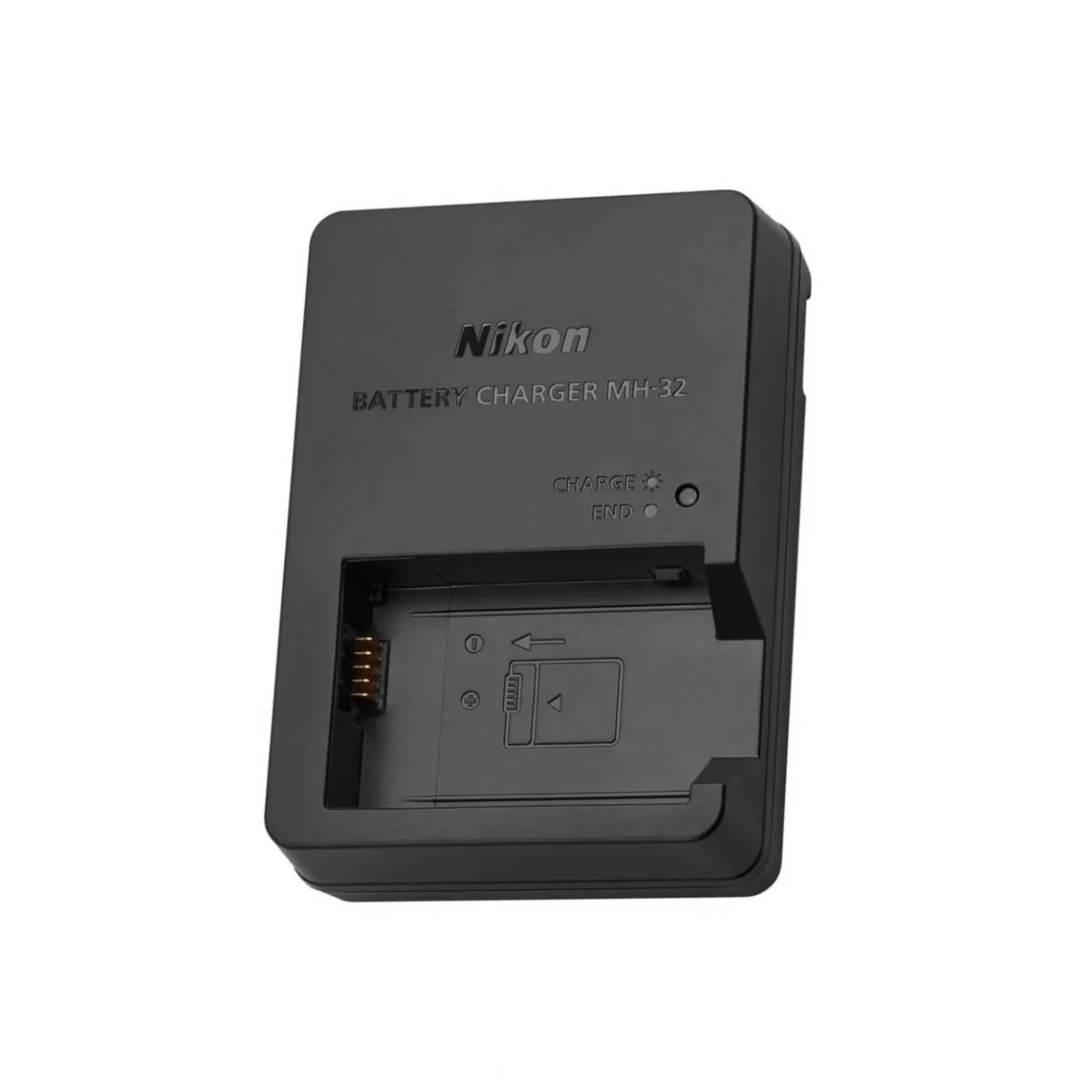
To make a camera battery last longer, turn off WiFi, Bluetooth and GPS, lower screen brightness, shorten auto power off time, use the viewfinder less for image review, and switch off stabilization on a tripod. Keep batteries away from heat, store them about half charged, and always carry a charged spare.
Why Your Camera Battery Dies Before the Shoot Ends
You arrive at a mehndi with a full battery. By the time the dholki starts, the battery icon is blinking red. Sound familiar?
Battery drain is one of the most common frustrations we hear about from photographers, especially those who moved from a DSLR to a mirrorless camera. The good news is that most of it is fixable without buying anything.
This guide explains what actually uses power inside your camera, which settings make the biggest difference, how to charge and store lithium ion batteries properly, and when it is time to replace one.
What Drains a Camera Battery the Most?
The biggest power users are the screen, the electronic viewfinder, wireless connections, image stabilization, continuous autofocus and video recording. Anything that keeps the sensor and display active uses power, even when you are not pressing the shutter.
Here is a practical ranking based on how cameras work:
| Feature | Power Use | Why It Drains |
|---|---|---|
| Video recording (especially 4K) | Very high | Sensor, processor and card writing run nonstop |
| Electronic viewfinder or rear LCD | High | Display stays powered the whole time the camera is on |
| Continuous autofocus and tracking | High | Lens motors and processor work constantly |
| In body or lens stabilization | Medium | Gyro sensors and motors stay active |
| WiFi, Bluetooth and GPS | Medium | Radios search and stay connected in the background |
| Flash recycling (built in flash) | Medium | Charging the flash capacitor takes a burst of power |
| Long image review and menu browsing | Low to medium | Screen time adds up quickly |
Why do mirrorless cameras use more battery than DSLRs?
Mirrorless cameras power the sensor and a screen or electronic viewfinder the entire time they are on. A DSLR uses an optical viewfinder that needs no power, so it mostly draws current when focusing, metering and taking the picture.
That is why a DSLR can often shoot several hundred more frames per charge than a mirrorless body using a similar sized battery. Newer mirrorless cameras have improved a lot, but the basic difference remains.
What Does the CIPA Battery Rating Mean?
The CIPA rating is a standardized test that estimates how many shots a camera takes per charge. It is set by the Camera and Imaging Products Association in Japan, so you can compare models from Canon, Nikon, Sony and Fujifilm fairly.
The test includes using flash on some shots, zooming and turning the camera on and off. Real world results are often higher for stills shooters who skip the flash and lower for videographers.
Treat the CIPA number as a comparison tool, not a promise. If two cameras are rated 350 and 500 shots, the second will generally last longer, but your own count depends on how you shoot.
Camera Settings That Save the Most Battery
These changes cost nothing and can noticeably extend your shooting time.
Which settings should I change first?
Start with wireless connections, screen brightness and auto power off. These three settings run in the background all day and are easy to forget.
- Turn off WiFi, Bluetooth and GPS unless you are transferring files right now. Some cameras keep Bluetooth active even when switched off, so check for a separate setting.
- Lower LCD and EVF brightness to a comfortable level instead of maximum.
- Shorten auto power off to 1 minute or less for stills work.
- Reduce image review time to 2 seconds, or turn it off and check photos only when needed.
- Use the viewfinder instead of the rear screen on cameras where the EVF uses less power, or set the eye sensor so only one display runs at a time.
- Lower the EVF refresh rate from 120fps to 60fps if your camera allows it.
- Switch off stabilization on a tripod. It is not needed there and it keeps motors working.
- Use single autofocus (AF S or One Shot) for still subjects instead of continuous tracking.
- Turn off the beep sounds and focus assist lamp in situations where you do not need them.
- Avoid the built in flash when possible and use an external speedlite, which has its own batteries.
Does airplane mode save camera battery?
Yes, on cameras that offer it. Airplane mode shuts down every wireless radio in one step, which is easier than turning off WiFi, Bluetooth and GPS separately. Sony, Nikon and several other brands include this option in their network menus.
Shooting Habits That Stretch Every Charge
Settings only go so far. How you handle the camera during a shoot matters too.
- Switch off between sessions. Most modern cameras wake up in about a second, so leaving them on during a long speech wastes power.
- Do not chimp after every shot. Reviewing each photo on the screen eats battery fast.
- Pre plan your settings at home. Long menu sessions at the venue use a surprising amount of charge.
- Use a fast, genuine memory card. A slow card keeps the camera busy writing for longer, especially during burst shooting and video.
- Keep spare batteries warm and close in an inside pocket during cold mornings in the northern areas, rather than in an outer bag pocket.
Practical example: a wedding day plan
A typical Lahore wedding can run from late afternoon barat arrival to a late night rukhsati. A stills shooter using a mirrorless camera might plan it like this:
| Situation | Smart Approach |
|---|---|
| Getting ready and portraits | Single AF, short review time, WiFi off |
| Stage photos and speeches | Switch off during long breaks |
| Dance and entry video clips | Use a fresh battery and keep clips short |
| Late night family photos | Swap to the last charged spare, keep one in reserve |
This is our general recommendation from shooting practice, not a fixed rule. Most event photographers in Pakistan carry at least two spares, and videographers often carry more.
How to Charge a Camera Battery the Right Way
Charge lithium ion camera batteries at room temperature using the original charger or a reputable compatible one, and unplug once full. There is no need to fully drain them first, because lithium ion batteries do not suffer from the memory effect that older nickel batteries had.
Good charging habits:
- Charge in a cool, ventilated spot. Many camera chargers list an operating range of roughly 5 to 40°C in their manuals. A rooftop room in Lahore or Multan during June can go well past that.
- Let a hot battery cool down first. A battery taken straight from a hot car or after long 4K recording should rest before charging.
- Do not leave batteries on the charger for days. Modern chargers stop at full, but heat and constant topping up add stress over time.
- Watch for UPS and load shedding surges. Plugging chargers into unstable supply or cheap extension boards is not ideal. A decent surge protected board is a simple safeguard.
Can I charge my camera battery with a power bank?
Yes, if your camera supports USB charging or USB Power Delivery. Many recent models from Sony, Canon, Nikon and Fujifilm can charge or even run from a USB Type C power bank. Check your manual, because some older cameras only charge through the dedicated wall charger, and some charge only when switched off.
A power bank with USB PD output is especially handy during load shedding, outdoor shoots and long travel days up north.
How Should You Store Camera Batteries?
Store camera batteries partly charged, roughly 40 to 60 percent, in a cool and dry place, and top them up every few months. Storing a lithium ion battery fully charged in heat speeds up permanent capacity loss, while leaving it completely empty for months can make it too deeply discharged to recover.
Battery research groups such as Battery University have long recommended partial charge storage for lithium ion cells for this reason.
Storage tips:
- Remove the battery from the camera if you will not use it for a few weeks.
- Use the plastic terminal cover so the contacts never touch keys or coins.
- Keep batteries out of parked cars, sunny windowsills and the top shelf of a hot cupboard.
- Store them with your gear in a dry box during the monsoon, since moisture can corrode contacts.
Original vs Third Party Camera Batteries: Which Is Better?
Original batteries are generally the safest and most reliable choice, while reputable third party batteries can be a budget friendly backup. The real risk comes from cheap fakes that copy the look of an original brand battery.
| Factor | Original Battery | Reputable Third Party | Fake or Unbranded |
|---|---|---|---|
| Compatibility | Full, including battery info menus | Usually good, some warnings possible | Unpredictable |
| Capacity | Matches the rated mAh | Often close to stated | Often much lower than printed |
| Safety circuits | Built in protection | Varies by brand | Often missing |
| Firmware updates | Always supported | May stop working after updates | Not supported |
| Price | Highest | Moderate | Lowest |
Our opinion: use an original battery as your main power source, especially for paid work. A well reviewed third party battery can work as a spare, but avoid unbranded ones with no seller accountability.
How can you spot a fake camera battery?
Look for these red flags:
- Price far below the usual market rate for that model
- Blurry printing, spelling mistakes or a missing serial number
- A noticeably lighter weight than your original
- Very high mAh claims for the same size (for example, an LP E6NH style battery claiming far above the original’s 2130mAh)
- Packaging with no importer details or warranty information
How Long Does a Camera Battery Last Before It Needs Replacing?
Most lithium ion camera batteries stay useful for roughly 2 to 3 years or a few hundred full charge cycles, depending on heat, storage and usage. Capacity drops gradually rather than all at once.
Many Canon, Nikon and Fujifilm cameras show battery health or recharge performance in a battery info menu. Check this before an important shoot.
Signs your battery needs replacing
- It drops from full to half much faster than before
- The camera shuts down while the indicator still shows charge
- The battery feels unusually hot during normal use
- The casing looks swollen or will not slide in smoothly
Stop using any swollen battery immediately. A swollen lithium ion battery is a safety risk. Do not puncture it or throw it in household waste. Take it to a proper electronics recycling point, and if it is stuck inside the camera, get help from a qualified camera technician rather than forcing it out.
Common Battery Mistakes Photographers Make
- Charging only the night before a big event, then discovering one battery is faulty
- Keeping all batteries in the car during summer shoots
- Buying the cheapest compatible battery online for a paid wedding job
- Running every battery completely flat before recharging
- Leaving Bluetooth connected to the phone all day
- Storing spare batteries fully charged for months without use
- Ignoring the battery health menu until the camera starts shutting off
Quick Reference: Popular Camera Batteries
| Battery | Common Cameras | Approx. Capacity |
|---|---|---|
| Canon LP E6NH | EOS R5, R6 series, many EOS DSLRs | 2130mAh |
| Sony NP FZ100 | Alpha a7 III, a7 IV, a6600 and more | 2280mAh |
| Nikon EN EL15c | Z6, Z7 series, D780 and more | 2280mAh |
| Fujifilm NP W235 | X T4, X T5, X H2 series | 2200mAh |
Model names are written with spaces here for readability. Always check your camera manual to confirm the exact compatible battery.
Key Takeaways
- Screens, viewfinders, wireless radios, stabilization and video use the most battery power.
- Turning off WiFi, Bluetooth and GPS and lowering screen brightness are the quickest free fixes.
- Mirrorless cameras naturally use more power than DSLRs because the sensor and display stay active.
- The CIPA rating is useful for comparing cameras, but your own shot count will vary.
- Charge at room temperature, avoid heat, and store batteries around half charged.
- Original batteries are the most reliable; fake batteries are a real safety and performance risk.
- Replace any battery that shows fast drain, sudden shutdowns or swelling.
Frequently Asked Questions
Why does my camera battery drain even when the camera is off?
Some cameras keep Bluetooth or a low power connection to your phone active after switching off, so apps can transfer photos. A small natural self discharge also happens in every lithium ion battery. Turn off the connection feature in the network menu and remove the battery during long storage.
Is it bad to leave a camera battery charging overnight?
Occasionally charging overnight is usually fine with an original charger, since it stops at full. Doing it every night in a hot room adds unnecessary stress. A better habit is charging in a cool space and unplugging soon after the indicator shows a full charge.
How many spare batteries should I carry for a wedding?
For stills, most event photographers carry at least two charged spares. For video, three or more is common, because 4K recording drains batteries quickly. Your exact number depends on your camera, how long the event runs and how much video you shoot.
Does cold weather damage camera batteries?
Cold reduces battery performance temporarily, so batteries seem to drain faster in places like Murree, Naran or Skardu in winter. Capacity usually returns once the battery warms up. Keep spares in an inside pocket close to your body and swap them as needed.
Does heat damage camera batteries permanently?
Yes. High temperatures cause permanent capacity loss in lithium ion batteries over time. Leaving batteries in a parked car or in direct sun during a Pakistani summer is one of the fastest ways to shorten their lifespan. Store and charge them in a cool, shaded spot.
Can I use a battery grip to get more shooting time?
Yes. A battery grip holds one or two batteries, which roughly doubles shooting time on supported cameras. It also adds a comfortable vertical grip for portraits. The trade off is extra weight and size, so it suits event and studio work more than light travel.
Should I fully drain a new camera battery before first use?
No. Lithium ion batteries do not need to be fully drained or “conditioned” like older nickel batteries. Simply charge it fully before your first shoot. Regular deep discharges actually add more wear, so recharging whenever convenient is perfectly fine.
Is it safe to use a third party battery in my camera?
Reputable third party batteries are generally usable, but some cameras may show warnings, hide battery percentage, or reject them after firmware updates. Avoid unbranded or fake batteries without safety circuits. For paid shoots, an original battery is the more dependable main power source.
Keep Your Camera Shooting From First Frame to Last
A camera battery that dies early is rarely bad luck. In most cases it comes down to settings left running in the background, heat during storage or charging, or an aging or fake battery. A few minutes adjusting your menus and a simple charging routine can add real shooting time to every day.
FotoTrade has been helping photographers across Pakistan since 1990. If you need a genuine spare battery, a reliable charger or other camera accessories, browse our range online or visit our shop on Chamberlain Road, Anarkali Bazaar, Lahore. Our team is happy to help you find the right battery for your camera. Call or WhatsApp 0321 4555316.